From La Pelosa's shallows to the hidden coves of the east, here is where to lay your towel and the best months to beat the crowds.
Sardinia's coastline rivals the Caribbean, and the trick is knowing which beach suits your week and when to arrive. Here is our shortlist and the timing that keeps you ahead of the crowds.
The north-west: La Pelosa and the Stintino coast
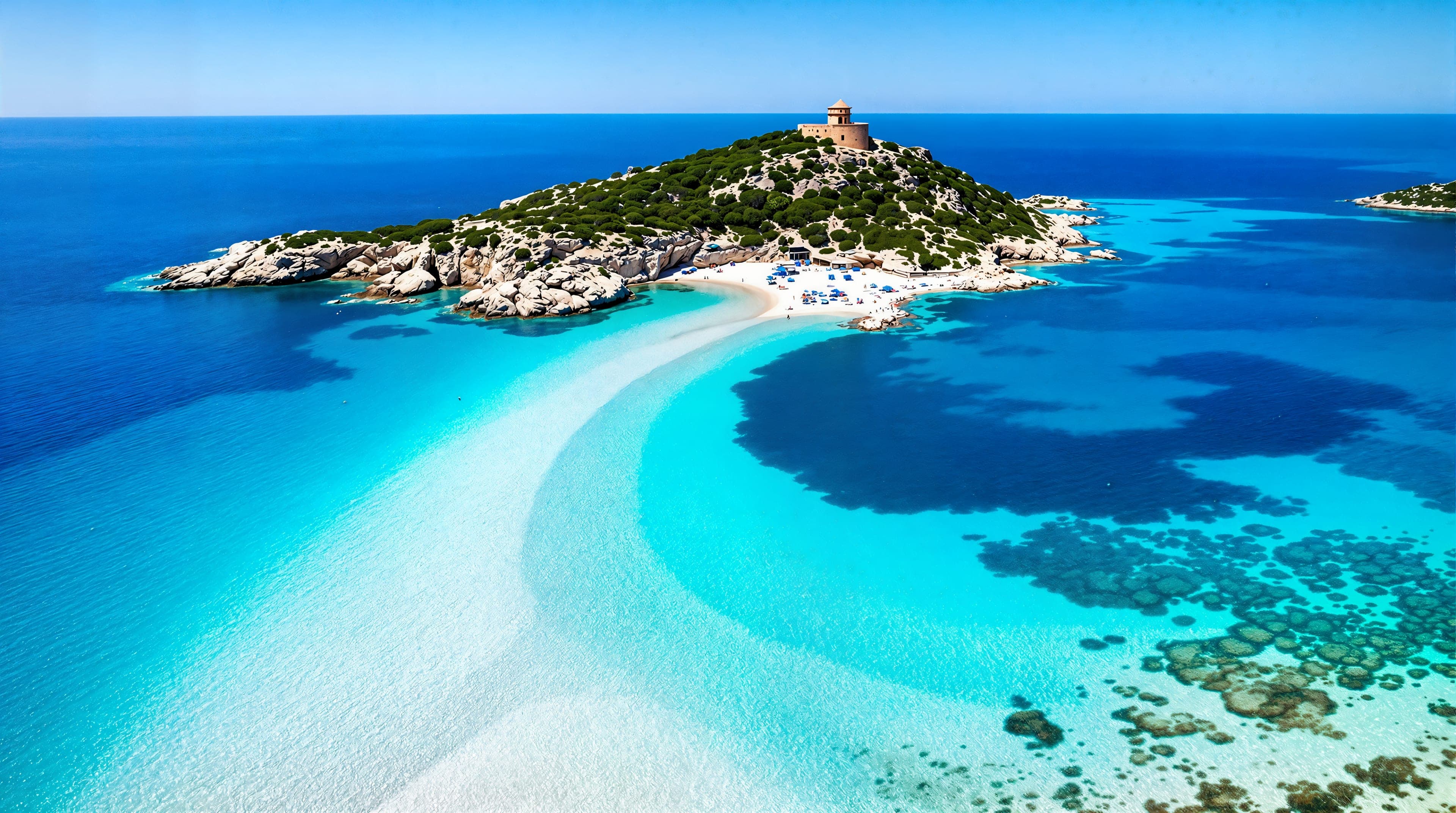
If you have only seen one photograph of Sardinia, it was probably La Pelosa at Stintino. The water sits over white sand in bands of mint and turquoise, shallow enough to wade out a long way, with the old Aragonese watchtower on its little island for a backdrop. It is genuinely as lovely in person as on the postcards, which is exactly why it needs planning.
Access is now capped to protect the dunes, so book your spot ahead in high summer and arrive early or come for the late-afternoon light. Bring a beach mat rather than a towel, as the fine sand is protected and you are asked not to carry it away. The wider Stintino area and nearby coves reward anyone willing to walk a few minutes past the headline beach.
The glamorous north-east: Costa Smeralda and the Maddalena
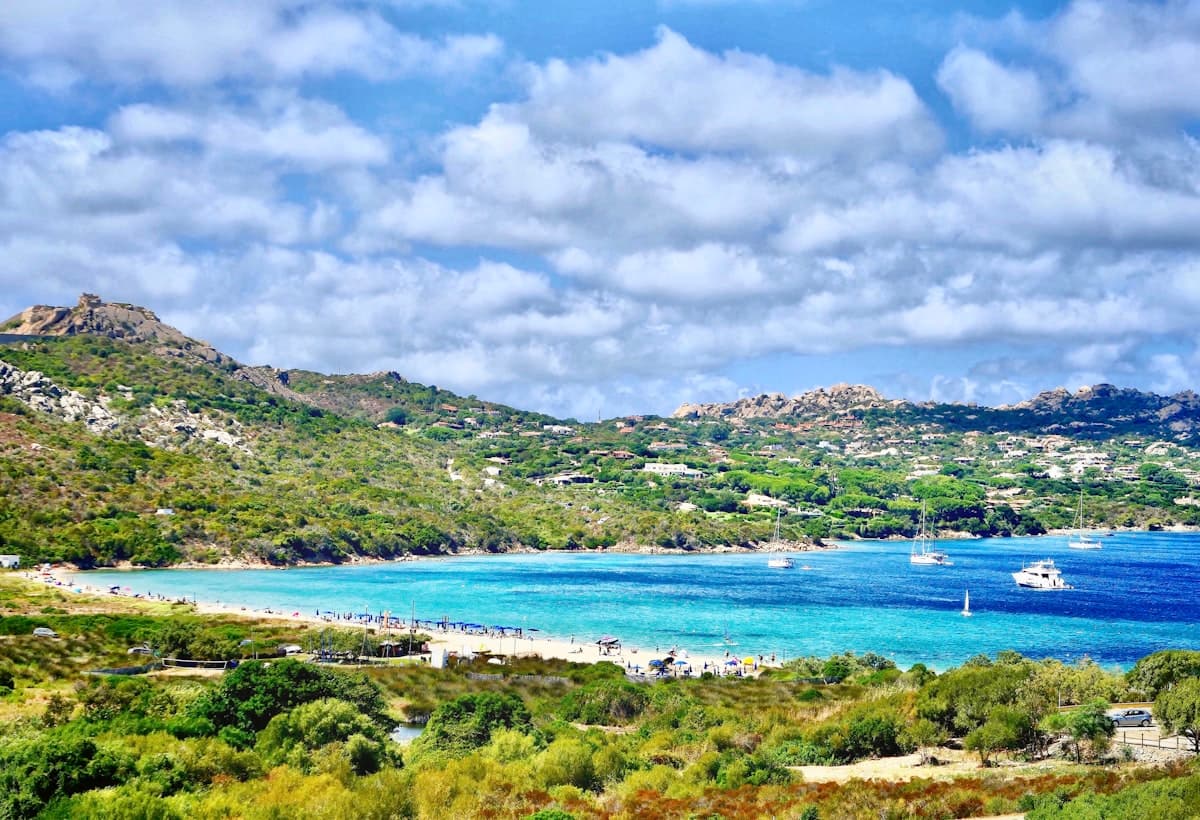
The Costa Smeralda earns its name with emerald shallows set against pink granite and juniper. Beaches around Porto Cervo and the wider Gallura coast range from chic and buzzy to quiet pockets you reach on foot down a sandy track. This is the dressed-up side of the island, but the sea is free and the swimming is superb wherever you land.
From Palau, day boats fan out into the Maddalena archipelago, a cluster of islands with some of the clearest water in the Mediterranean. Spiaggia Rosa on Budelli is famously protected and can only be admired from the water, while beaches on Caprera and La Maddalena itself let you swim and laze. A boat day here is the single best way to understand why the north-east has the reputation it does.
The wild east: Cala Goloritzé and the Gulf of Orosei
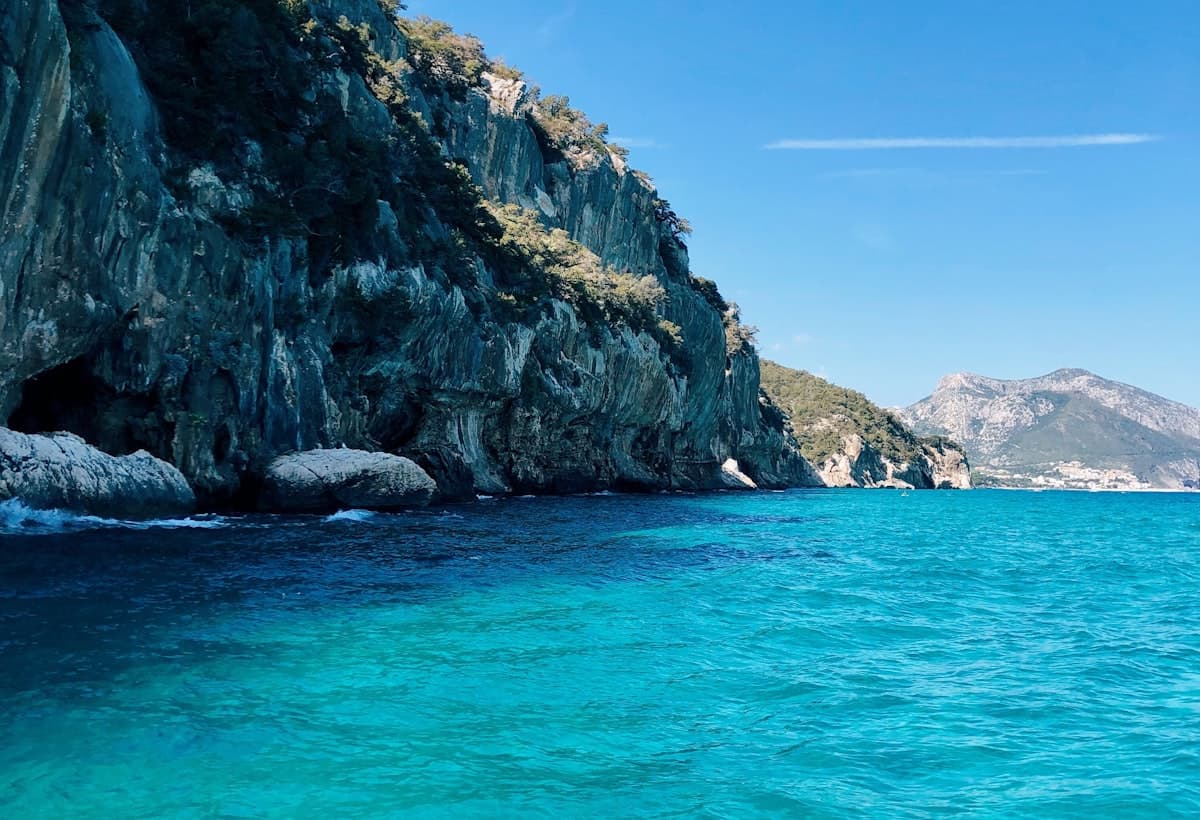
The east coast is Sardinia at its most dramatic, where limestone cliffs plunge straight into deep blue water along the Gulf of Orosei. Cala Goloritzé, with its natural rock arch and slender pinnacle, is reached on foot via a steep, rewarding trek down from the Golgo plateau, and numbers are limited to keep it pristine. It is a hike-and-swim outing rather than a sunlounger sort of day.
If you would rather not walk, the classic approach is by boat from Cala Gonone or Santa Maria Navarrese, hopping between Cala Mariolu, Cala Biriola and Cala Luna. Wear sturdy sandals, as many of these coves are pebbly rather than sandy, and pack water and shade because facilities are deliberately minimal.
The gentle south: Chia, Pula and Costa Rei
Down south, Chia spreads out a run of dune-backed bays with shallow, child-friendly water and a lagoon where flamingos sometimes stop. Nearby Pula pairs good beaches with the Roman ruins of Nora, so a beach morning can turn into a culture afternoon without much driving. It is an easygoing stretch that suits families and anyone who likes space underfoot.
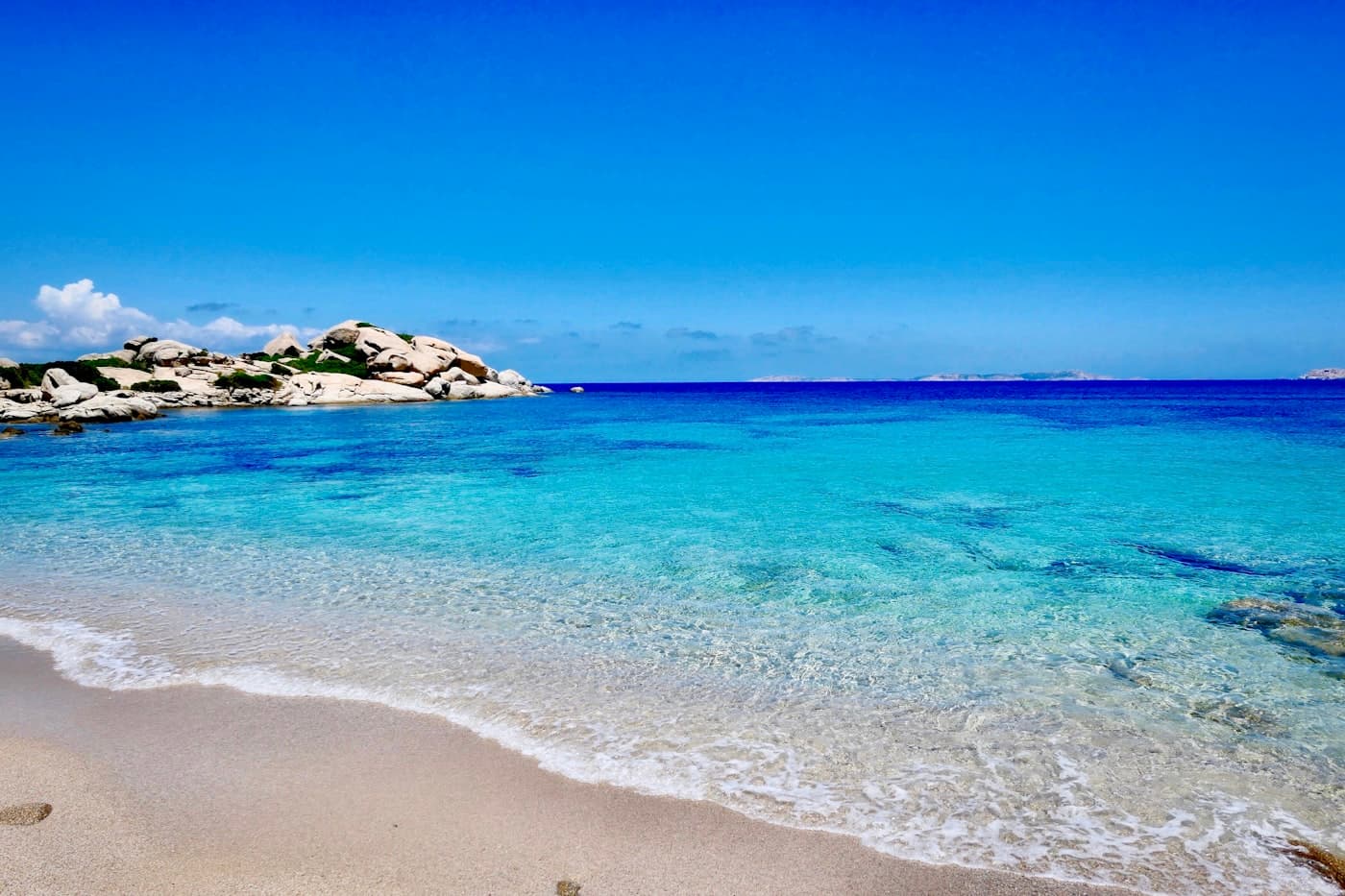
East of Cagliari, Costa Rei offers a long, soft ribbon of pale sand and turquoise water that feels gloriously uncomplicated. There are enough beach bars and rentals to keep you comfortable without the gloss of the north-east. For pure swim-and-sand contentment, it is hard to beat.
When to go and how to dodge the crowds
The sea is warm enough for happy swimming from roughly June into early October, with the water often at its most inviting in late summer once it has had all season to warm. July and August bring the best weather and the biggest crowds, so the headline beaches fill fast and parking becomes the day's main challenge. June and September are the sweet spot: hot days, gentler crowds and easier access to the famous names.
Whatever the month, the old local trick still works. Arrive before mid-morning or save the beach for the cooler, golden hours after four, and you will have the loveliest part of the day to yourself.